AI Tools, Uncategorized

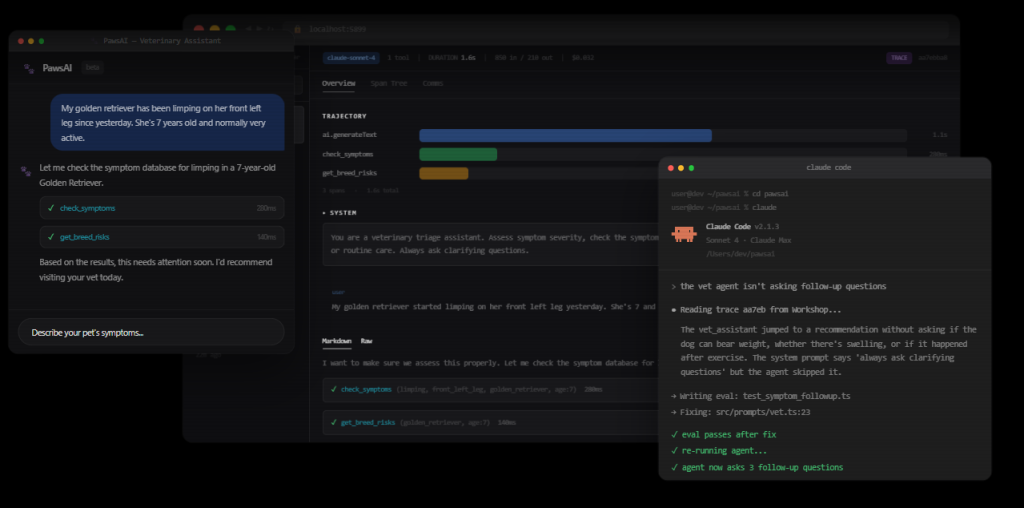
Debugging and evaluation for agentic AI systems

“Workshop,” an open-source, MIT-licensed debugging and evaluation tool aimed squarely at the emerging era of agentic AI systems. The system functions as a local daemon and UI layer that captures full execution traces as they happen. Developers can replay an agent’s behavior, inspect failures, and pinpoint where reasoning or execution went off track.

AI Tools

Latest Model Updates

This week’s AI releases show the industry moving beyond standalone chatbots into persistent, autonomous execution systems. Creative AI took a major leap forward with Krea releasing its first in-house foundation model focused on controllable visual style generation through mood boards and reference consistency. Meanwhile, Thinking Machines Lab, led by Mira Murati, unveiled a real-time conversational model capable of full duplex interaction with sub-half-second latency, pushing AI closer to natural human dialogue.

Cognitive Science, Human Intelligence

Transformation Continues: are you ready?

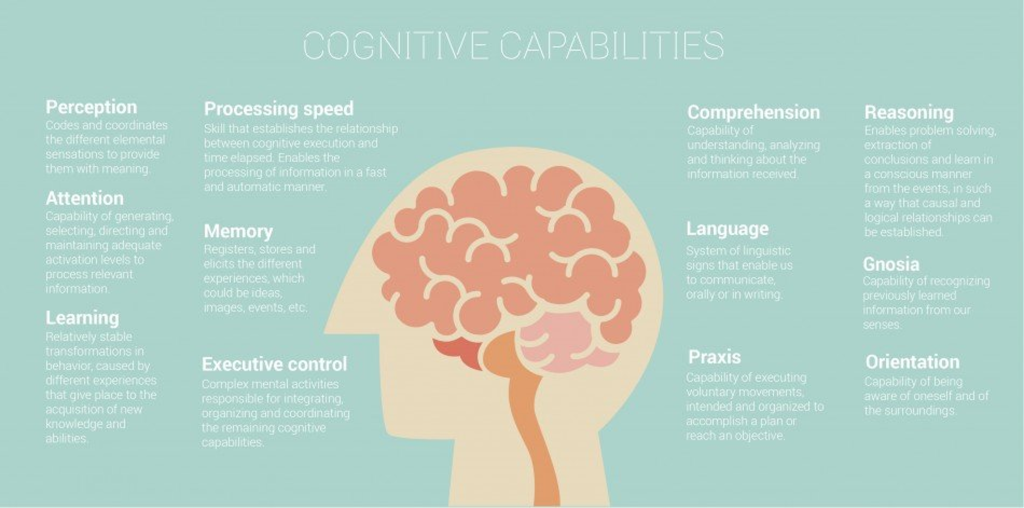
The history of modern work is often told as a sequence of technological breakthroughs. That is true, but incomplete. What matters more, particularly for those shaping organizations, is how each wave fundamentally restructured the nature of work itself: who does it, how it is coordinated, what skills are rewarded, and where value concentrates. Each did not simply improve productivity; it shifted the bottleneck of work, from access, to coordination, and now to cognition.

Technology

Zombie Projects – Taming the AI Proliferation Problem Before It Tames You

Undocumented logic, fragile dependencies, and silent errors. Artificial intelligence is replaying that trajectory at far greater speed and scale. As highlighted in a recent TechRadar analysis on so-called “zombie projects”, organisations are increasingly burdened by AI initiatives that consume resources yet deliver little enduring value. The risk is not that AI fails, but that it succeeds too easily without discipline.

Artifical Intelligence, Human Intelligence

Binary Collapse, the productivity paradox

This new group of AI enabled humans’ main task is to fix, check, and rewrite the work that computers do. It’s a binary breakdown when companies find out that substituting thinking with prompting doesn’t get rid of work; it makes it more. The promise was clear: quicker drafts, instant code, and research that does itself. The reality that is coming out of offices, law firms, and software teams is more complicated and costs more.

Innovation, Technology

Ghosts of Robots

In the fluorescent glow of a modern fulfillment center, the future of automation is on full display, along with its most glaring vulnerability. Autonomous mobile robots glide effortlessly between storage pods, conveyor belts hum with precision, and robotic arms sort packages with mechanical efficiency. On paper, the system is a marvel of productivity, capable of processing tens of thousands of orders per hour. But in the control room, the reality is far less seamless.

Artifical Intelligence

Consumers Can Spot and Reject AI-Generated Marketing Content

The failure of many AI-driven marketing initiatives stems from a category error: treating the technology as a replacement for human creativity rather than as an amplifier of it. The organisations beginning to close this gap are those that recognise content as a cognition problem, one that requires the integration of machine efficiency with human sensibility.

Scroll to Top